Nutrition on GLP-1: Plates, Portions, Protein, and Hydration
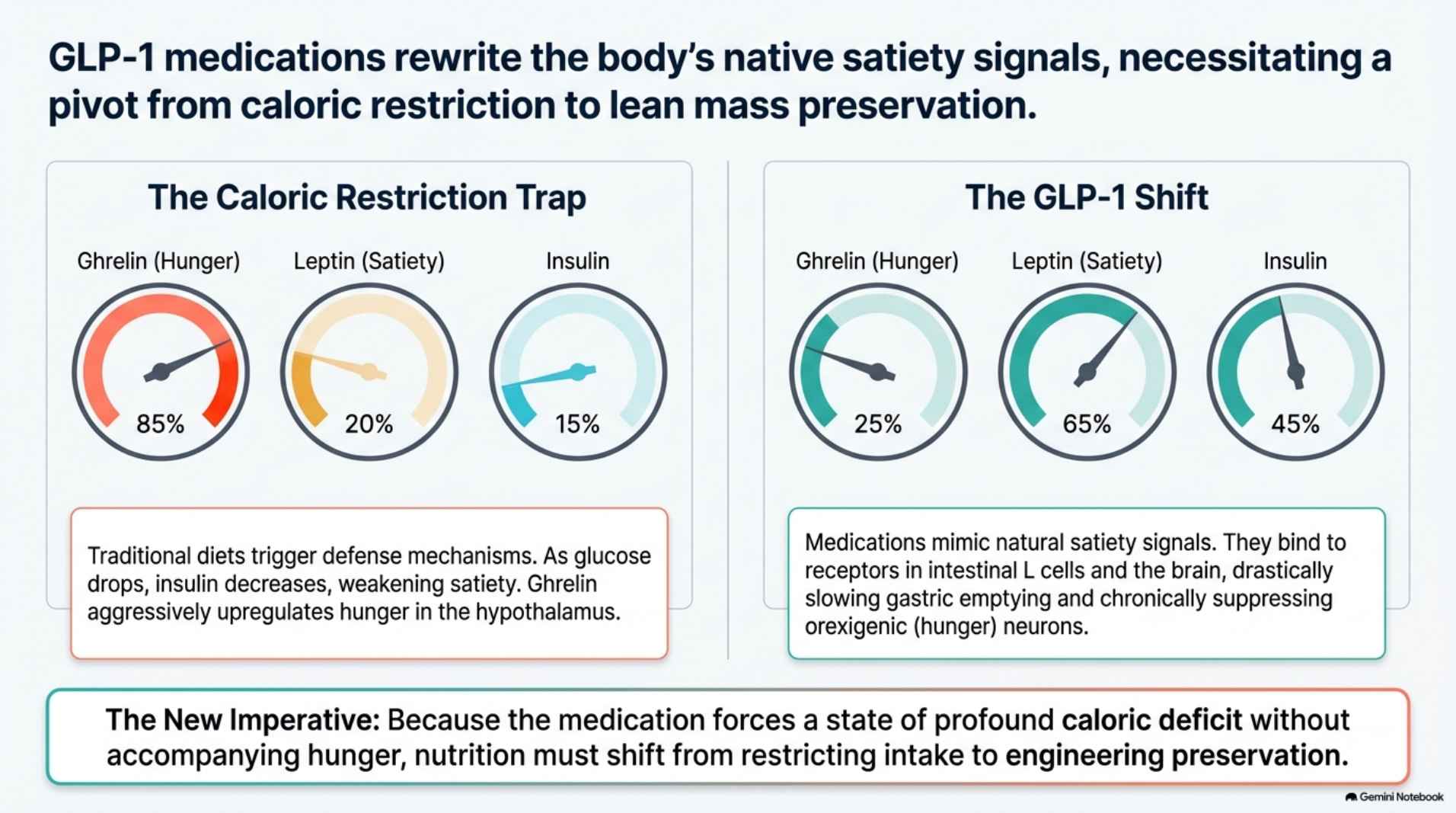
The appetite suppression from GLP-1 medications changes the nutrition problem entirely. When hunger drops, the old challenge — eating less — is replaced by a new one: eating the right things in the right amounts, because the window for nutrition is smaller and every bite counts more. If you have been weighing up glp1 qualifications for a home around Columbia, MO, this guide covers how it actually works, what it tends to cost, and where the results usually fall short.
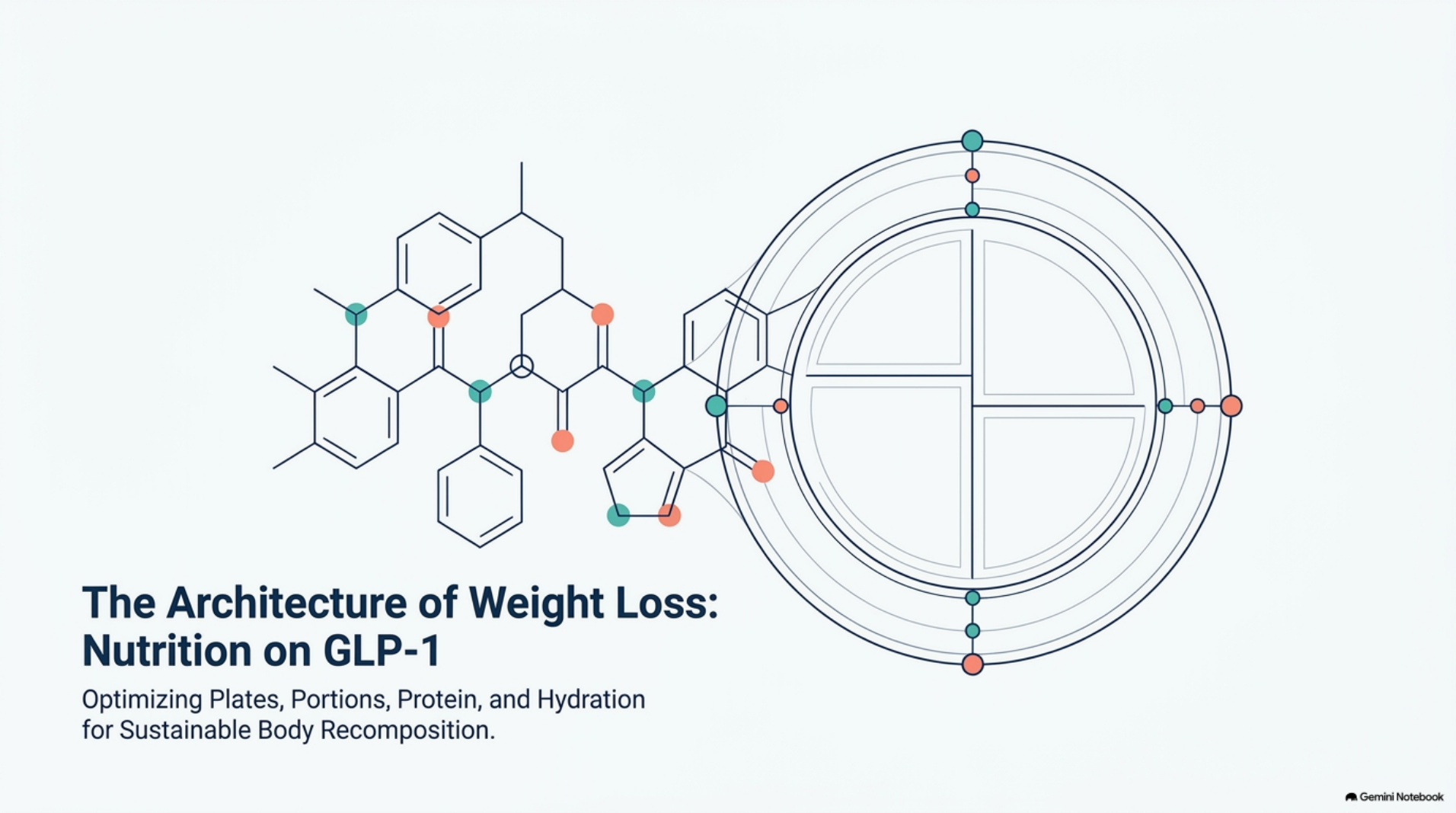
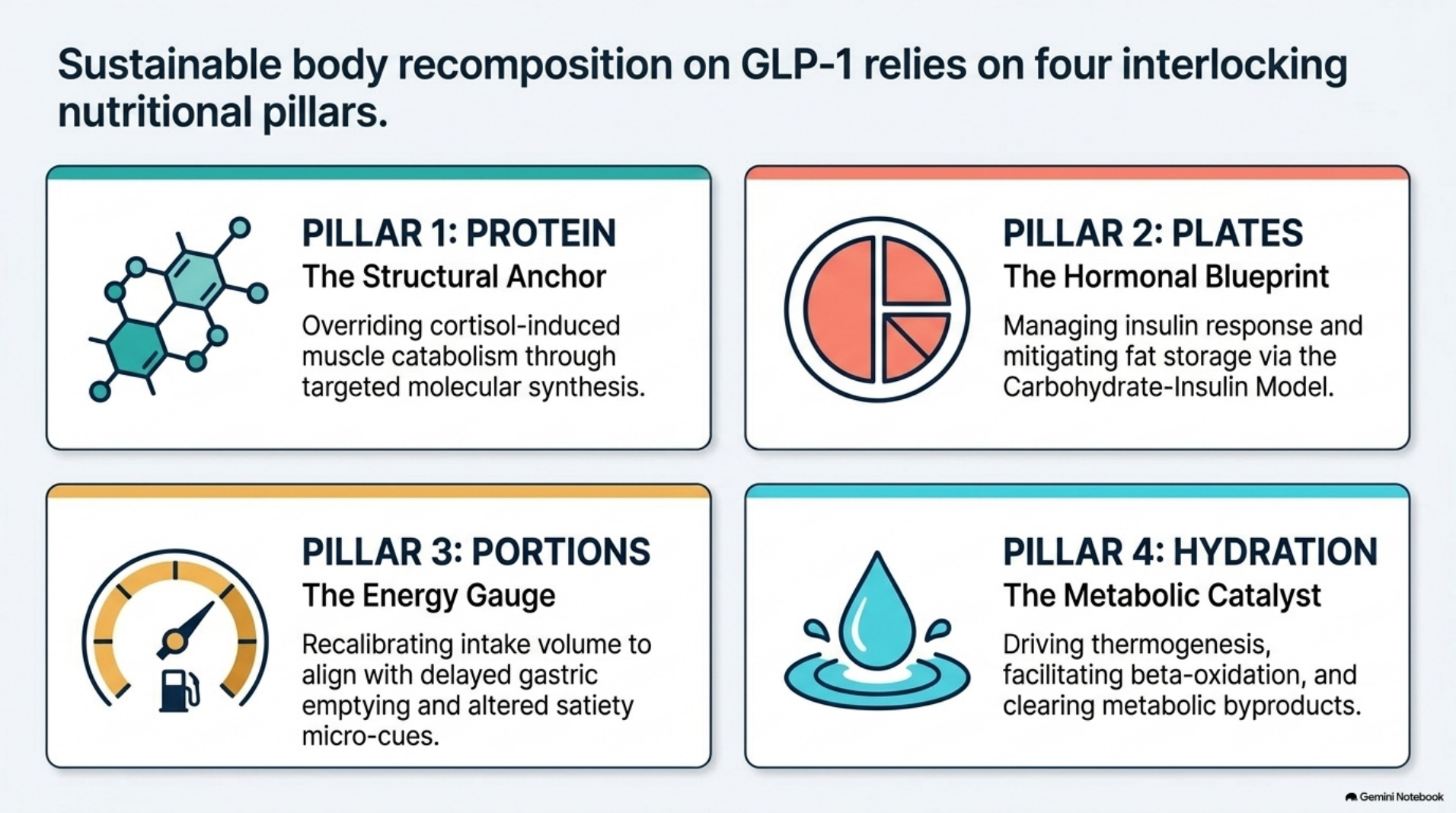
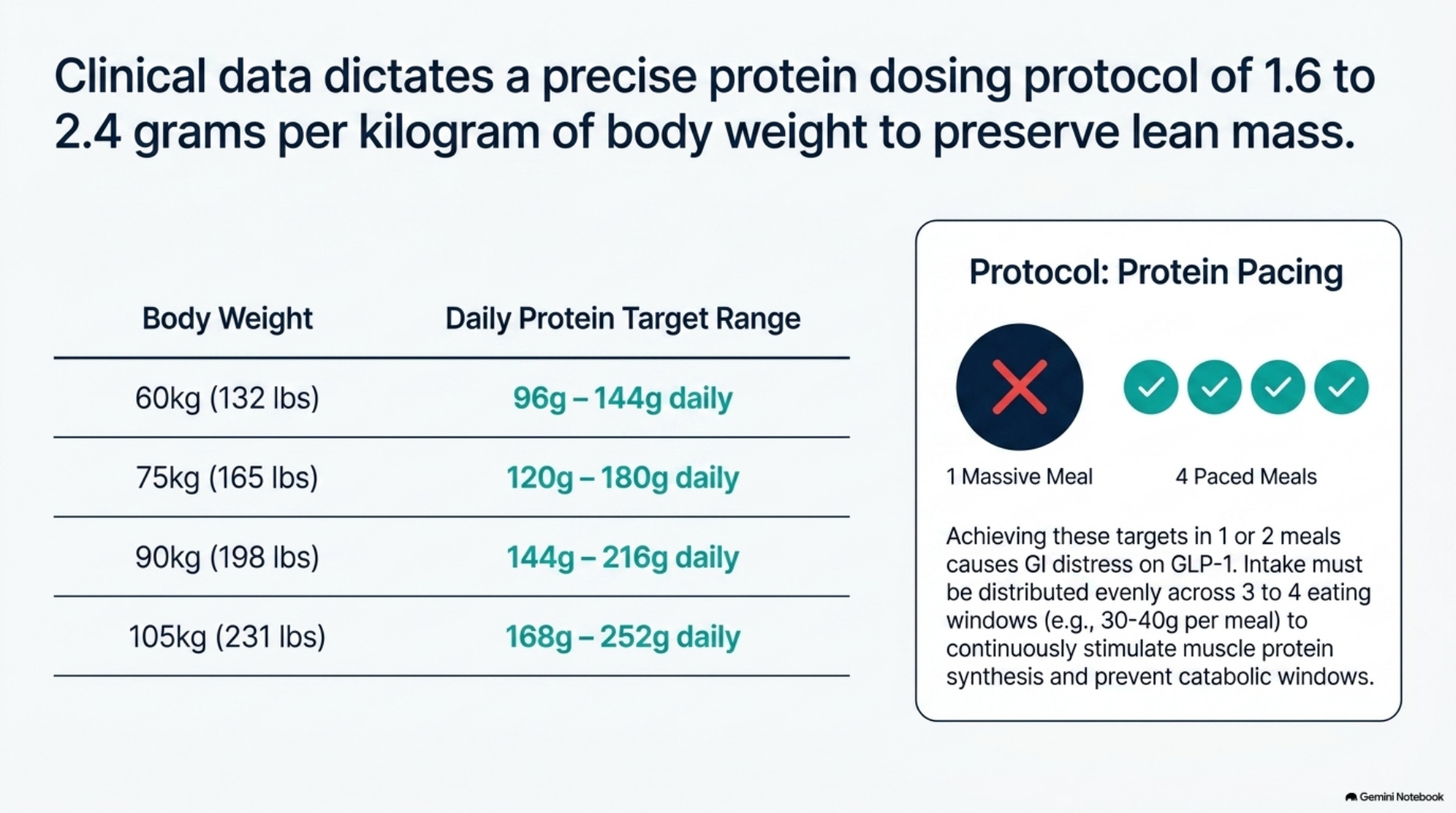
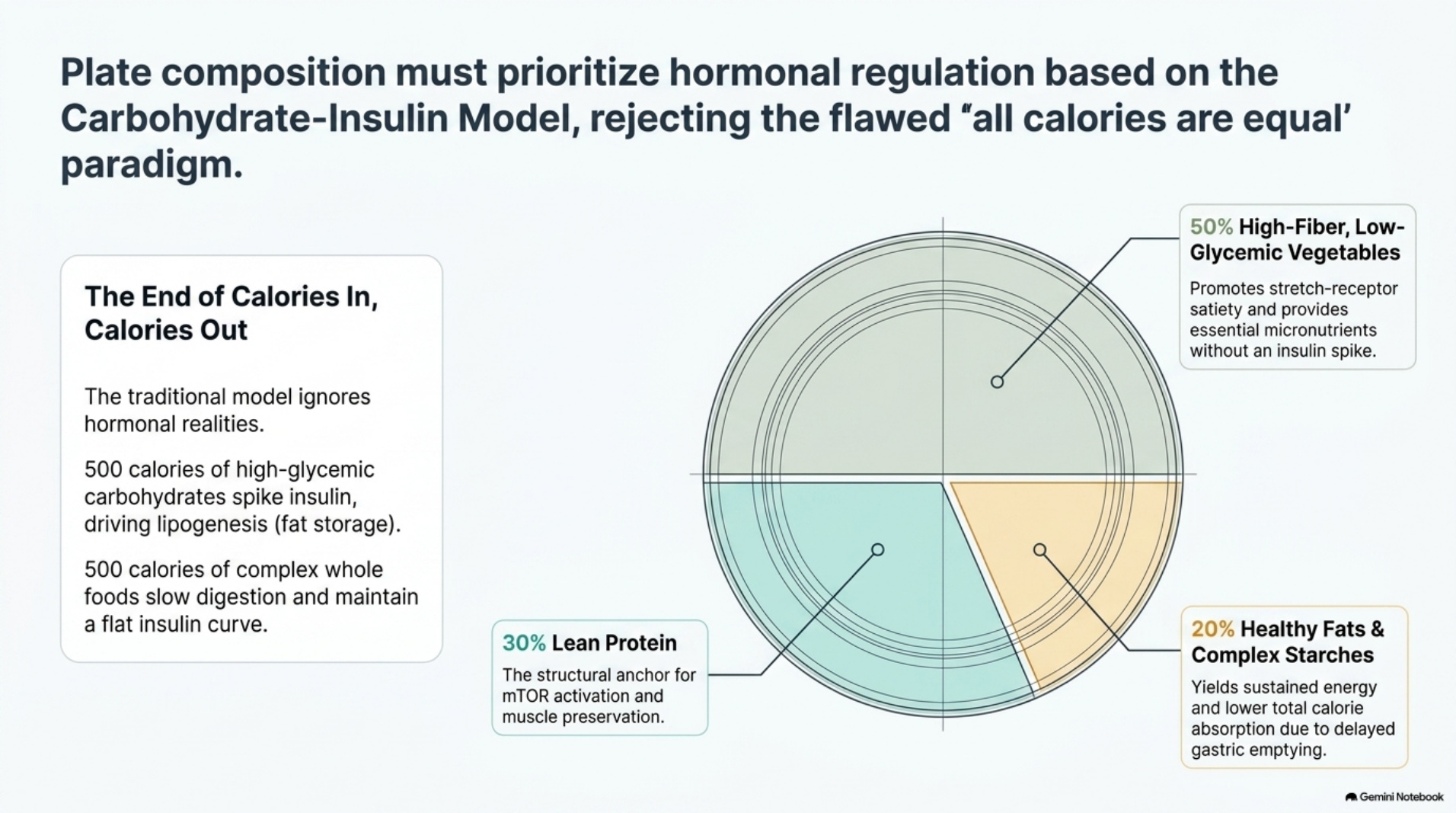
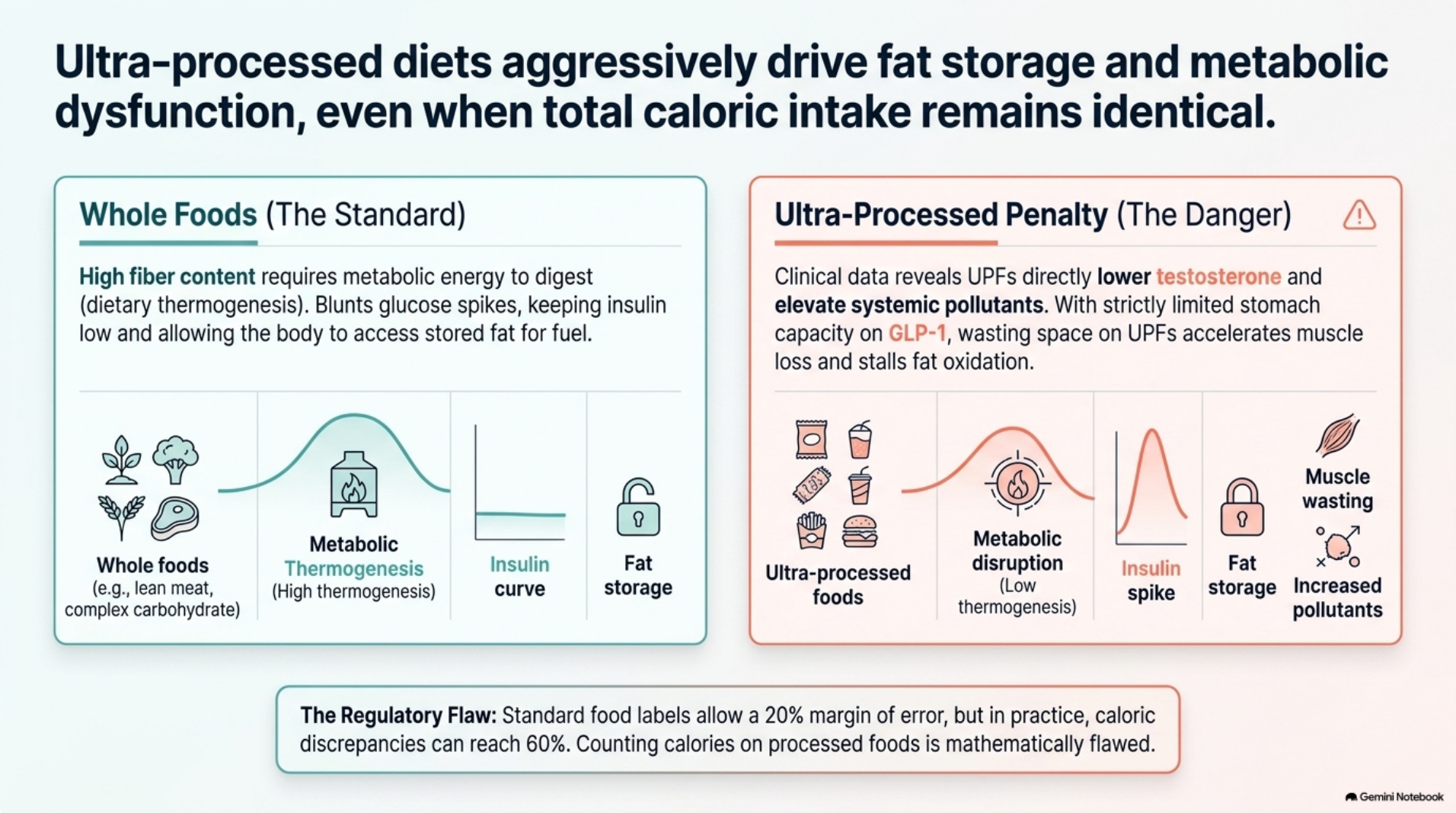
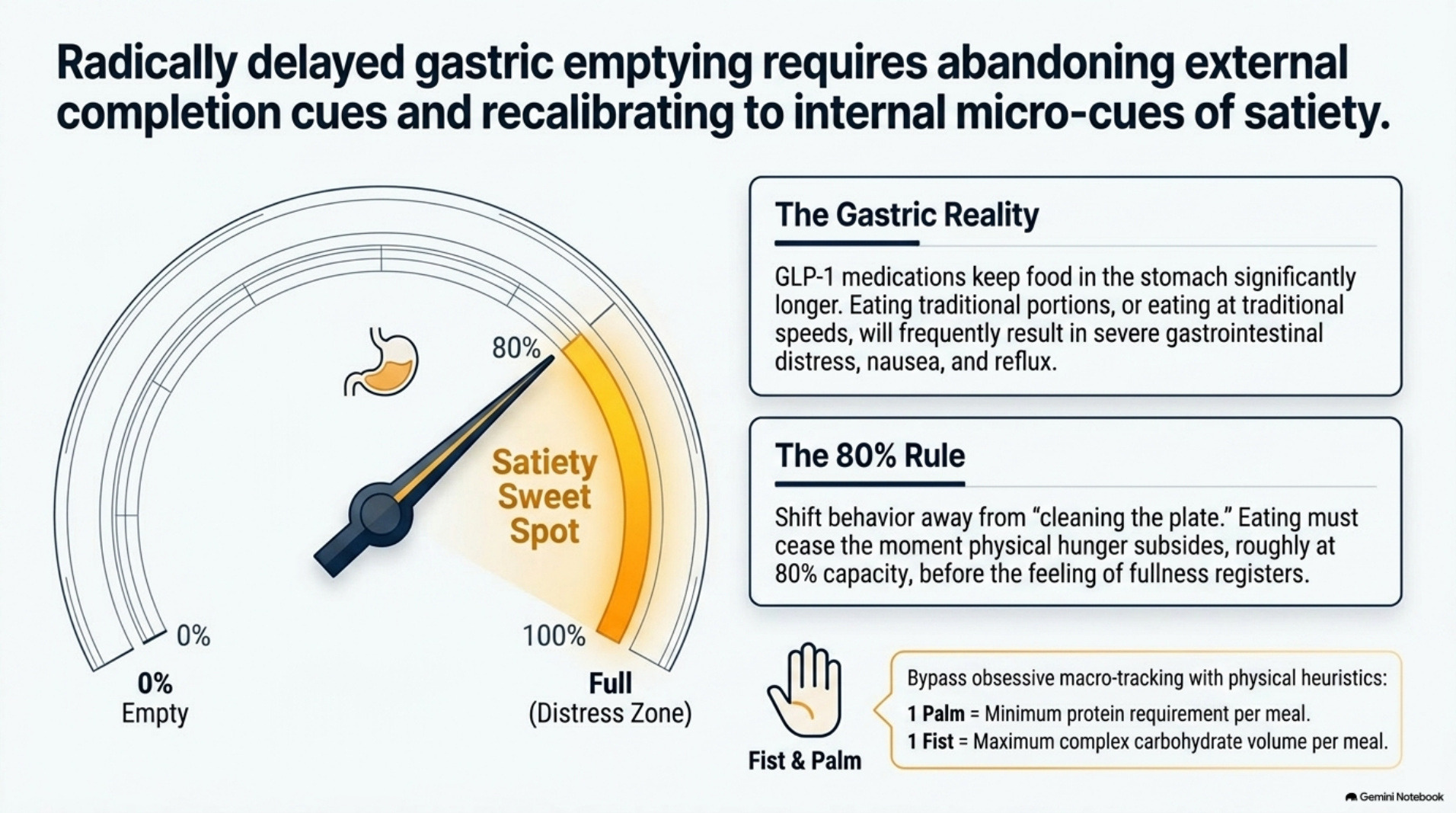
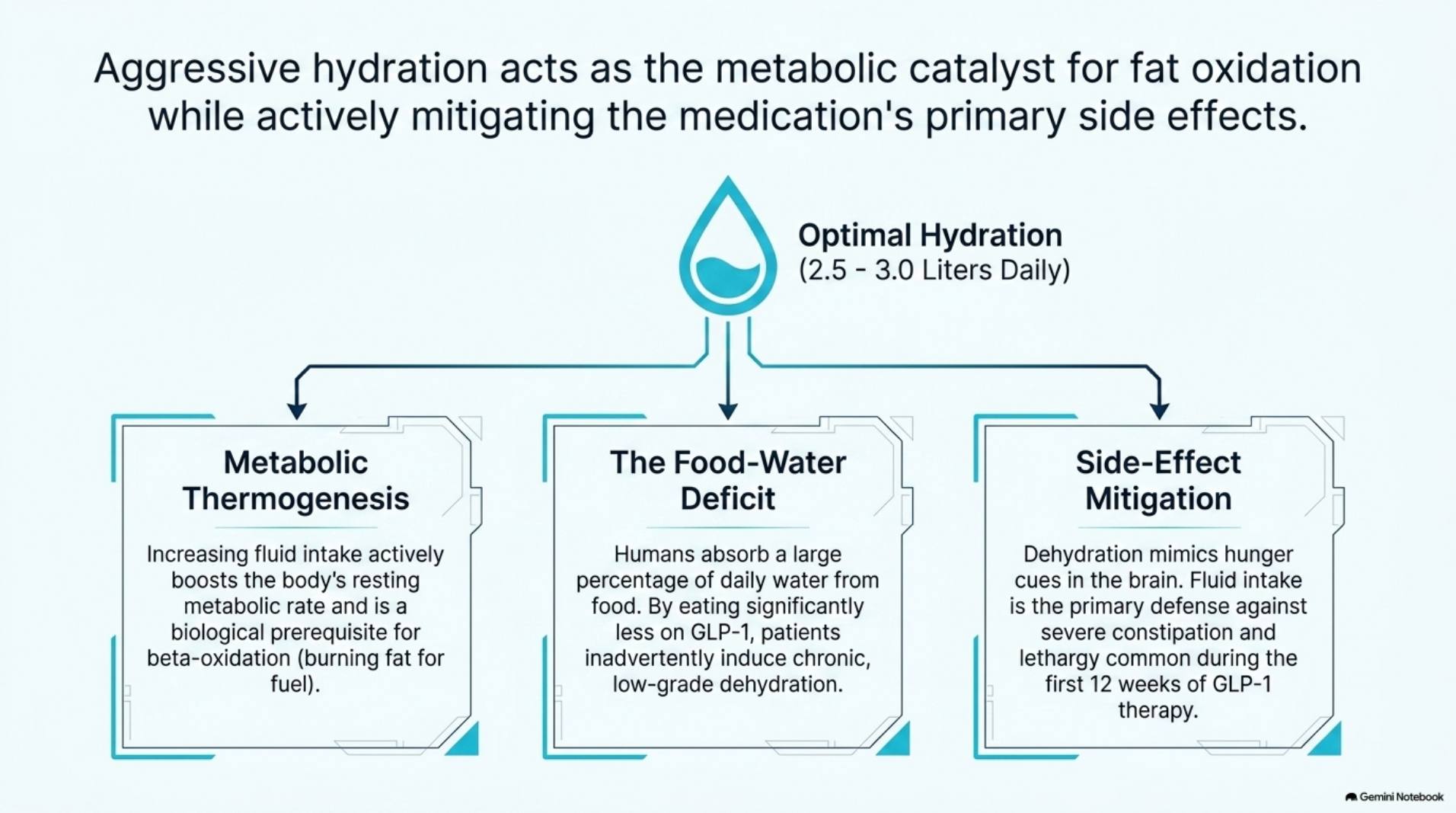
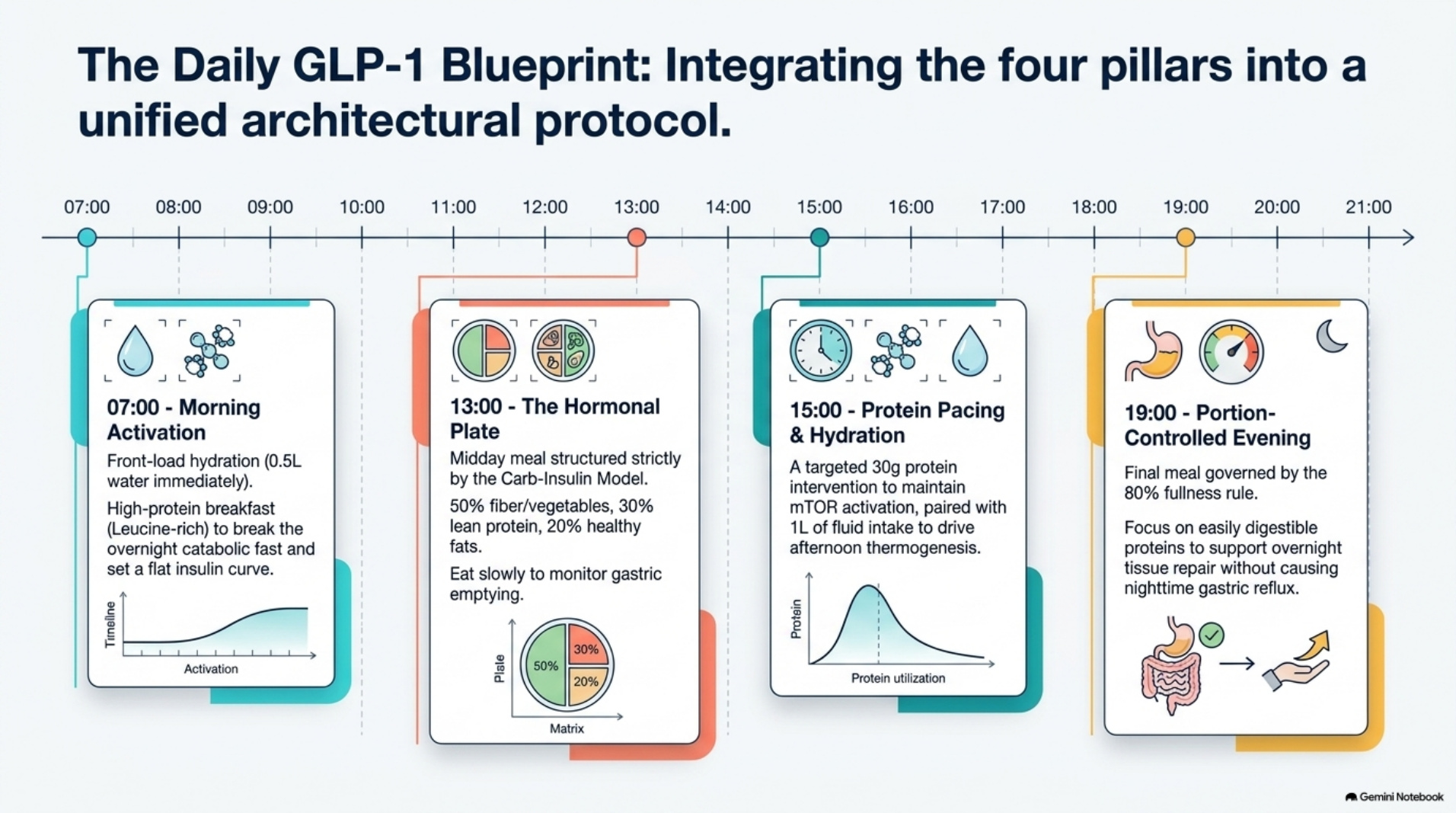
The architecture starts with the plate: how to structure meals so protein, vegetables, and carbohydrates are balanced in a way that supports muscle preservation during weight loss. Portion strategies matter because appetite signals change — and hydration becomes a clinical priority, since reduced intake and medication effects can make dehydration a real risk.
The short version
- Appetite suppression from GLP-1 medications changes the nutrition problem from eating less to eating the right foods in the right amounts.
- The article frames the nutrition window as smaller on GLP-1, so every bite and every food choice counts more during treatment.
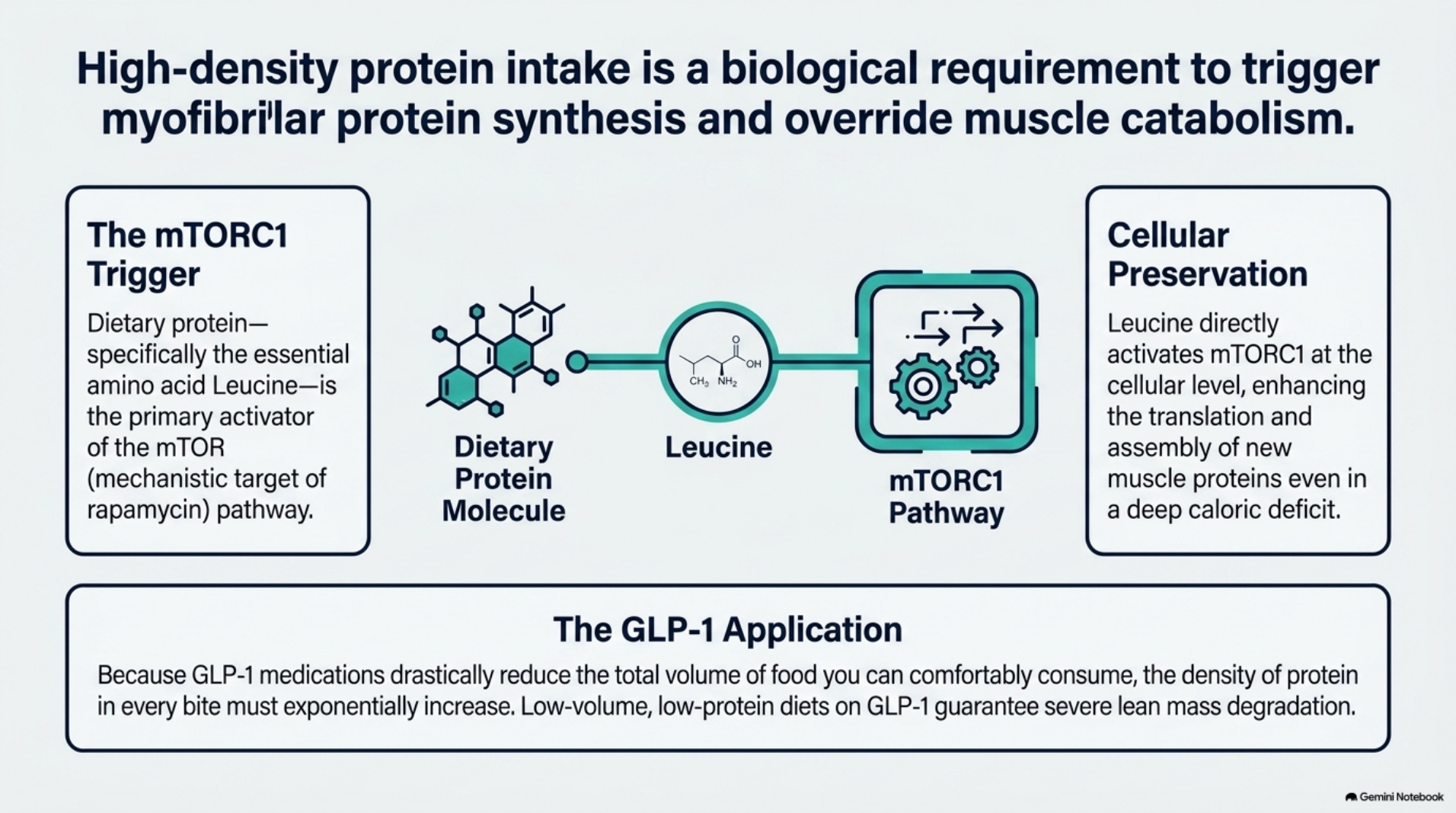
- The architecture starts with the plate, balancing protein, vegetables, and carbohydrates to support muscle preservation during weight loss.
- Hydration becomes a clinical priority because reduced intake and the medication's own effects can make dehydration a real risk during treatment.
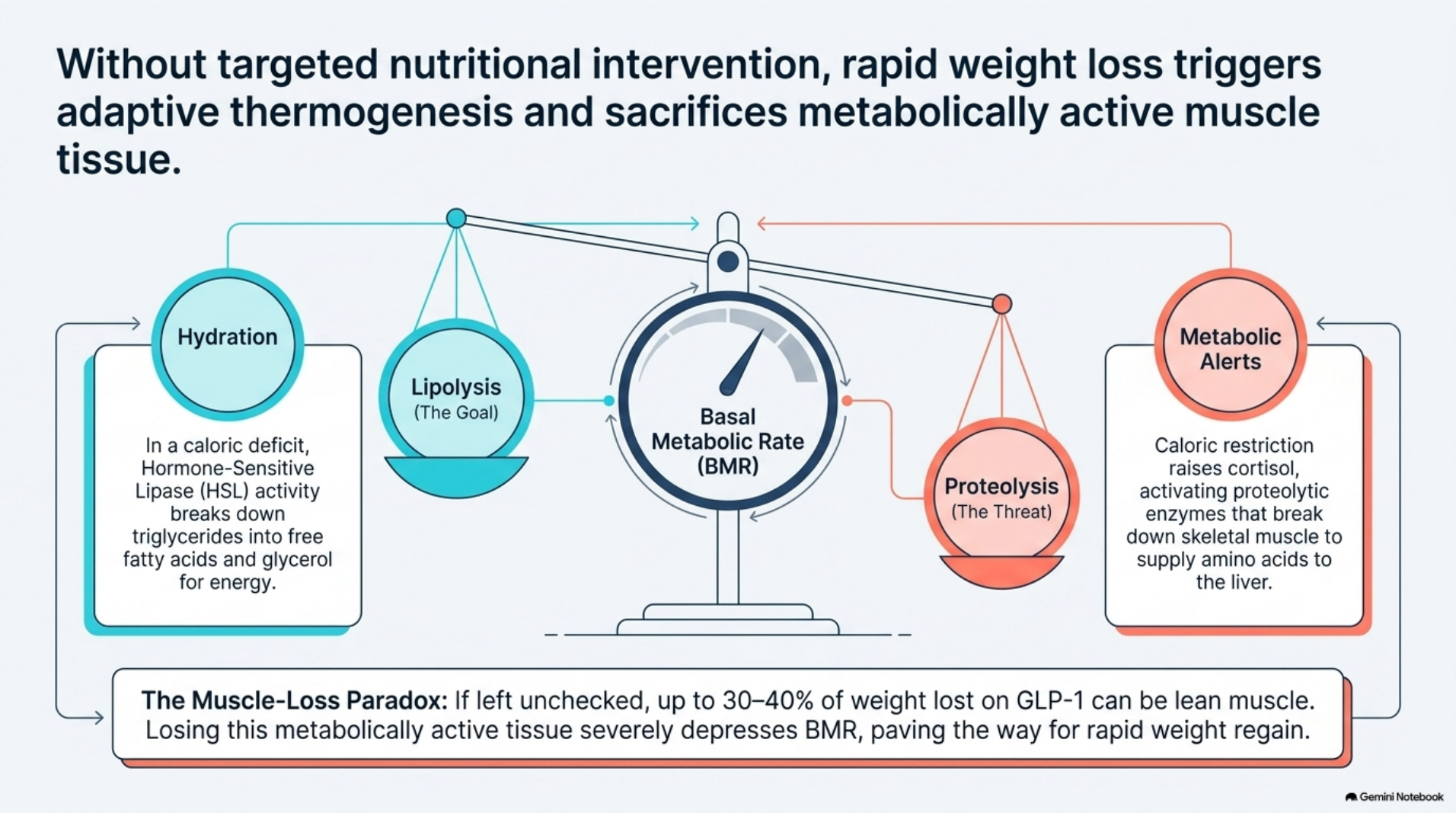
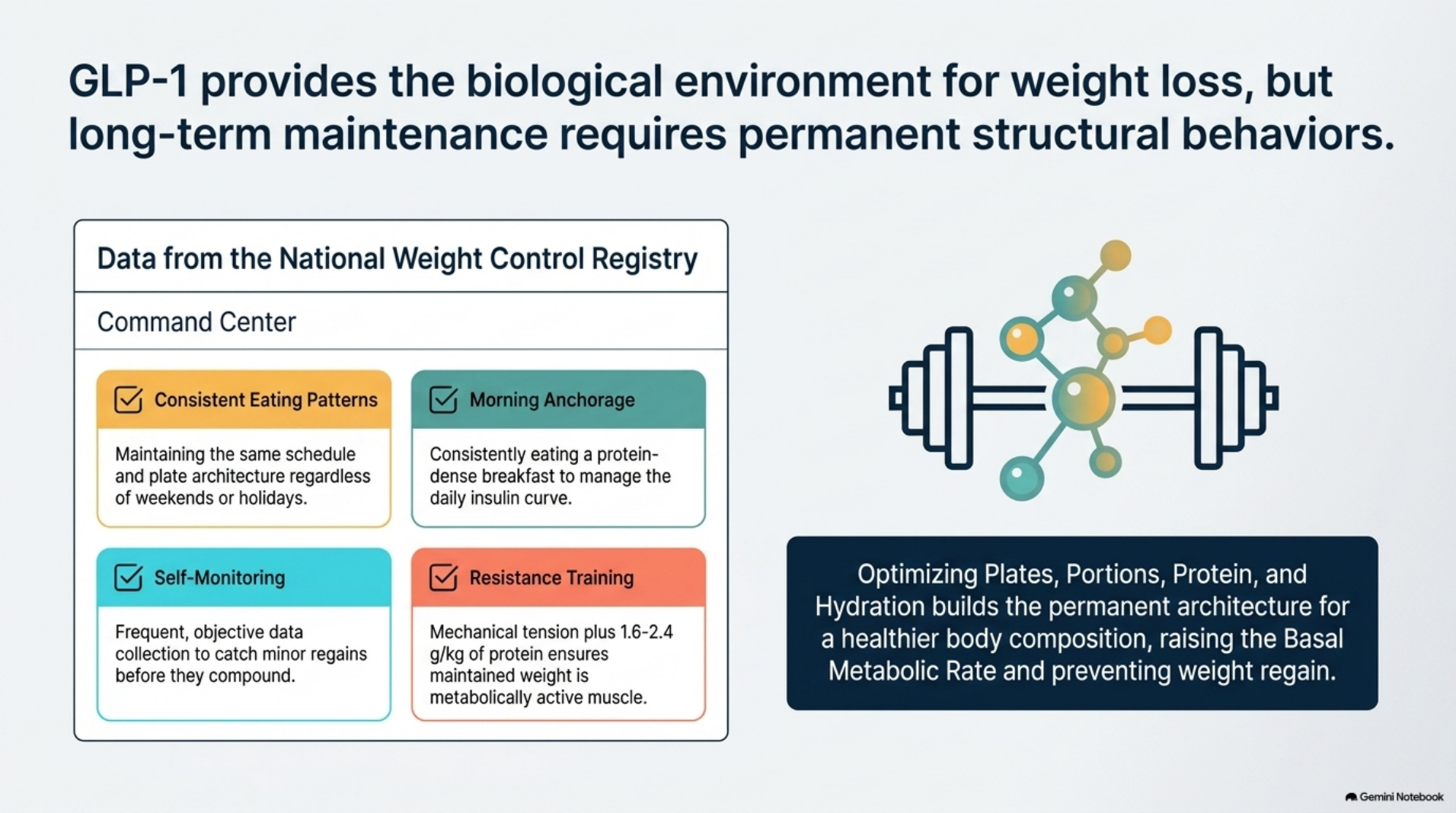
- The stated goal is body recomposition, preserving lean mass while losing fat rather than ending up smaller but weaker.
The goal is body recomposition, not just weight loss: preserving lean mass while losing fat. That's what separates a program that leaves you smaller but weaker from one that leaves you smaller and stronger — and it's written in the nutrition, not the scale.
Ready for a Professional Review?
We can connect you with qualified local professionals who work on projects like yours.
Get Matched with Local providers